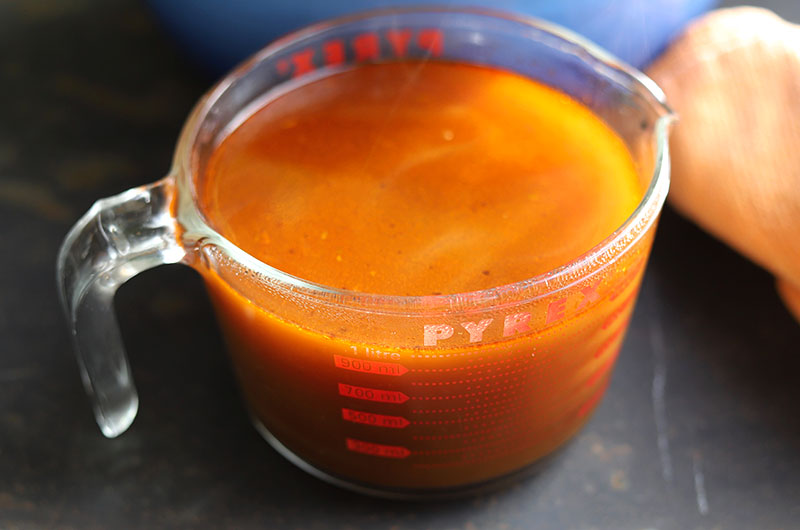
I originally wrote this recipe for my vegetarian book, Simple Green Suppers, but then updated it during the pandemic to be super flexible, since that was the time we were doing a lot of pantry cooking. I recently made it again and still love it — and the fact that it is so versatile. The idea, at its simplest, is really to encourage you to combine noodles, hot broth, and sautéed veggies for comfort in a bowl. Add a poached or soft-boiled egg if you like. You can even take it a step further and serve it garnished with sliced sirloin tips or grilled chicken.
It’s true that most noodle soups get a great deal of their flavor from the broth, and ramen soups at restaurants (in particular) rely on rich pork or chicken broths made from bones and hours of cooking. Assuming that’s not an option for you right now (or ever!) I’m sharing a few tricks with you: Spike boxed chicken broth or stock with soy sauce, fish sauce, oyster sauce, or Braggs Liquid Aminos to give it a deeper flavor. (Add ginger and garlic, too.) Or if you’ve got time and you’re a vegetarian, make your own vegetable broth (here’s a recipe). Either way, add extra flavor for this soup with a combination of miso paste, tamari and ginger.

Have some fun with the noodles in a soup like this. Again, you've got options: for plain ramen noodles, grab Kame brand Chinese curly wheat noodles. I also especially enjoy fresh (egg) lo mein noodles in this soup. They're available in the produce section at Cronig's on the Island. You could use wide rice noodles or even linguine.
Serve the soup in a big, wide bowl. This kind of “soup” is designed to go big on the noodles and veggies and less on the amount of broth. A poached or soft-boiled egg is optional, as are toasted sesame seeds or roasted peanuts. Cilantro of course is always nice, but if you don’t have it, no worries. Serve with both a spoon and a fork. You can easily cut this recipe in half to serve one. If you're serving two for dinner, do all your prep (including cooking the vegetables and noodles) ahead, and heat and flavor the broth at the last minute.
It's really important that you taste the broth before ladling it into your soup bowls. Every stock or broth is different so you should feel free to add more soy sauce or miso if you think your broth needs more flavor. I added chili crisp to my most recent version of this recipe, and that pops up all the flavors, too, as does a squeeze of lime.
This recipe is alpha-gal friendly; just be sure to check the ingredient list on your condiments and your noodles to make sure they do not contain mammalian ingredients.
Serves 2
- 4 to 5 ounces dried Chinese curly wheat noodles or baked ramen noodles, or 6 to 7 ounces fresh lo mein or other fresh noodles*
- Kosher salt
- 2 tablespoons grapeseed oil (or other vegetable oil), more if needed
- 4 cups chopped (1 to 1 ½-inch pieces) or sliced vegetables (keep separate or combine; use a combination of peppers, onions or shallots, mushrooms, eggplant, cauliflower or Brussels sprouts or broccoli, bok choy or tat soi, red or green cabbage or whatever you like)
- 1 tablespoon white (Shiro) or red miso paste
- 2 tablespoons low-sodium tamari (plus more to taste, or replace 1 tablespoon with 1 tablespoon oyster sauce)
- 1 teaspoon toasted sesame oil, plus a bit more to toss with noodles
- 1 to 1 1/2 tablespoons combination minced fresh garlic and ginger
- 4 cups broth (homemade Rich Vegetable Broth or boxed chicken broth)
- 2 large eggs, poached or soft-boiled (optional)
- Chili crisp (optional)
- 2 lime wedges
- ¼ to 1/3 cup sliced scallions
- 1 to 2 tablespoons chopped fresh cilantro (optional)
- 1 to 2 teaspoons toasted sesame seeds or 2 to 3 tablespoons chopped roasted peanuts or toasted almonds (optional)
1. Bring a pot of salted water to a boil and cook the noodles until just done. Drain them well and rinse briefly under cold water. Let dry a bit longer, then toss with a tiny bit of sesame oil and season with a few big pinches of salt.
2. In a medium or large nonstick sauté pan, heat 1 tablespoon of oil over medium heat. Sautè the vegetables in batches, adding oil as necessary, until they are browned in places and starting to shrink (about 5 to 7 minutes). Reserve.
3. In a glass measure, combine the miso, tamari, sesame oil, and 2 tablespoons water. Whisk well.
4. In a medium saucepan, heat 2 to 3 teaspoons of oil over medium-low heat and add the ginger (or garlic, or both). Sautè until softened, add the broth, and bring it to a boil. Simmer for 1 minute. Take the pot off the heat and whisk the miso mixture into the hot broth. Taste the broth and season with more soy sauce or miso if you like.
5. Divide the noodles between two wide, deep soup bowls, mounding them in the center. Ladle half of the broth around the noodles. Arrange the vegetables around the edges (in groups if you like), and ladle on the remaining broth. Add an egg to each bowl (if using) and season with salt and pepper. Drizzle the noodles, veggies and egg with a little chili crisp if desired. Garnish with scallions and lime wedges, as well as cilantro, sesame seeds and nuts if desired. Serve right away with a fork and a spoon.
*If preparing this recipe for someone with alpha-gal, check the ingredients of your noodles for any mammalian ingredients.